Introduction
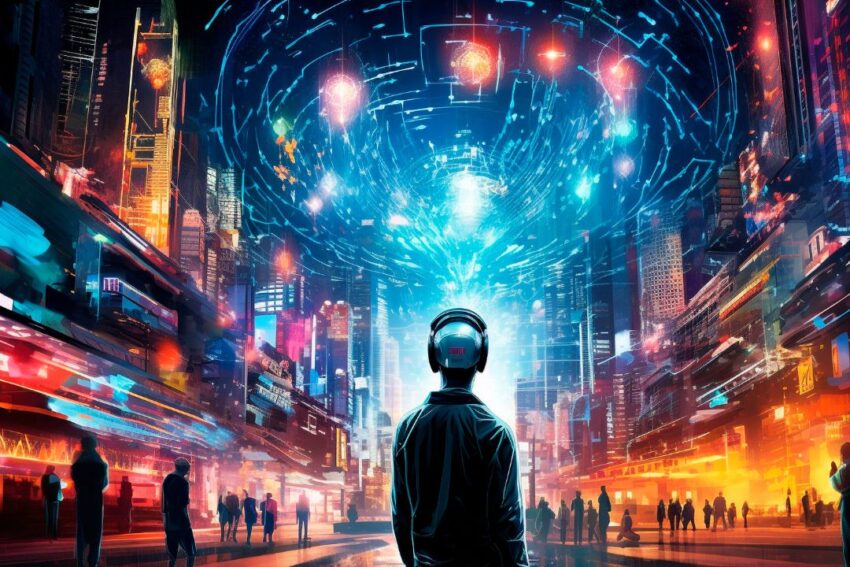
We are standing on the edge of a new technological era — one that promises to transform the way we live, work, and connect. The digital revolution of the past few decades brought us the internet, smartphones, and social media, but the next wave of innovation goes far beyond what we’ve imagined. Technologies like Artificial Intelligence (AI), quantum computing, biotechnology, renewable energy, and space exploration are merging to redefine every aspect of modern life.
In this article, we explore the key trends shaping the future of technology, the industries they will revolutionize, and how they are likely to impact humanity over the next decade.
1. Artificial Intelligence: The Brain Behind the Future
AI has already moved from science fiction to daily reality. From voice assistants like Alexa to predictive algorithms on Netflix, AI systems are learning, adapting, and evolving faster than ever.
But the next wave of AI innovation is even more transformative. Advanced Generative AI models like ChatGPT, Gemini, and Claude are enabling human-like creativity, while machine learning is improving decision-making across industries — from healthcare and finance to transportation and education.
Key Developments to Watch:
- AI Ethics and Regulation: Governments and organizations are setting frameworks to ensure responsible AI usage.
- AI in Medicine: AI-powered diagnostics and personalized treatment plans are revolutionizing patient care.
- Autonomous Systems: Self-driving cars, delivery drones, and robotic assistants are becoming commercially viable.
AI is no longer just a tool — it’s becoming a collaborative partner in huma
2. Quantum Computing: The Power to Redefine Reality
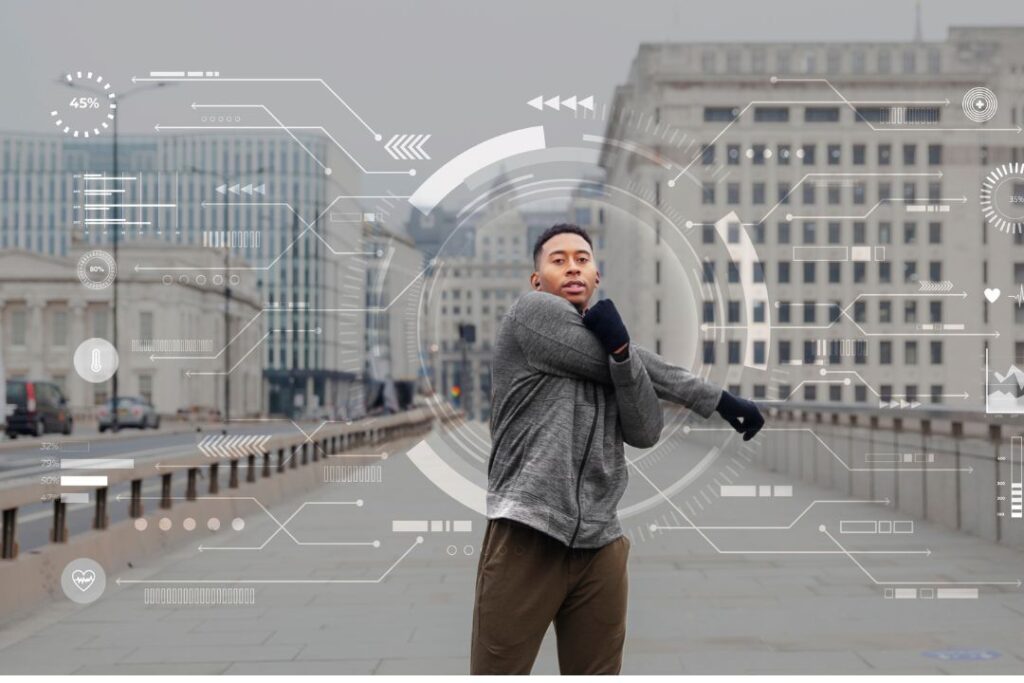
While today’s computers operate on binary logic (0s and 1s), quantum computers process information using qubits, which can exist in multiple states at once. This gives them immense processing power, capable of solving problems beyond the reach of classical computers.
Why It Matters:
Quantum computing could crack complex problems in cryptography, drug discovery, logistics, and climate modeling in seconds. Companies like IBM, Google, and D-Wave are leading the charge, with quantum hardware becoming more stable and scalable.
Potential Applications:
- Accelerating AI training through quantum algorithms
- Optimizing financial models and portfolio management
- Simulating molecular structures for advanced medicine
Quantum computing represents the next leap in computational intelligence, and its real-world impact is expected to explode in the next decade.
3. Green Tech and Sustainable Innovation
As the world faces climate challenges, green technology is taking center stage. Innovation in renewable energy, sustainable materials, and carbon capture is driving a cleaner, smarter future.
Trends Powering the Green Revolution:
- Solar and Wind Energy 2.0: Advances in efficiency and battery storage are making renewables the most affordable energy source.
- Smart Grids and IoT Integration: AI-driven smart grids balance demand and supply, reducing energy waste.
- Electric and Hydrogen Vehicles: Automakers are racing toward zero-emission transportation.
Governments and startups alike are investing in technologies that combine profitability with sustainability. The next wave of innovation will prioritize planet-friendly progress, where economic growth aligns with environmental responsibility.
4. Biotechnology: Engineering the Building Blocks of Life
Biotechnology is redefining what it means to be human. From gene editing using CRISPR to lab-grown organs and bio-computing, we are entering an era where biology and technology merge seamlessly.
Breakthrough Areas:
- Personalized Medicine: Treatments tailored to a person’s genetic makeup are becoming mainstream.
- Synthetic Biology: Scientists are designing custom organisms to produce fuel, food, and materials sustainably.
- Longevity Research: Advances in cell regeneration and anti-aging treatments could significantly extend human lifespan.
Biotech innovation promises to solve some of humanity’s greatest challenges — curing diseases, feeding billions, and even redefining human evolution itself.
5. Space Exploration and the New Frontier
The space industry is undergoing a dramatic transformation. Once dominated by government agencies, it’s now driven by private companies like SpaceX, Blue Origin, and Rocket Lab. The race to the Moon, Mars, and beyond is not just about exploration — it’s about expanding human civilization.
Major Shifts in Space Innovation:
- Reusable Rockets: Lowering launch costs and enabling frequent missions.
- Lunar Bases and Mars Colonization: Plans for human settlements are progressing rapidly.
- Satellite Mega-Constellations: Providing global internet coverage and monitoring Earth’s climate.
As technology improves, space will become the next arena for economic expansion, scientific discovery, and even tourism. Humanity’s journey into the cosmos is no longer a dream — it’s a developing industry.
6. The Rise of the Metaverse and Immersive Technologies
While the term “metaverse” had an early hype cycle, its underlying technologies — augmented reality (AR), virtual reality (VR), and mixed reality (MR) — continue to evolve. These innovations are reshaping digital interaction, education, entertainment, and remote work.
Emerging Trends:
- Virtual Collaboration Spaces: Companies are building 3D virtual offices for global teams.
- AR in Retail and Training: Customers can “try” products virtually; workers learn through immersive simulations.
- Digital Twins: Real-world environments mirrored in digital form for testing and planning.
As connectivity improves through 5G and beyond, immersive technology will blur the line between physical and digital worlds.
7. Cybersecurity and the Digital Trust Revolutio
As technology advances, so do the threats. Cybersecurity is evolving from simple protection to proactive digital resilience. With the rise of AI-driven attacks, the focus is shifting toward AI-based defense systems and zero-trust architectures.
Key Innovations:
- Blockchain Security: Decentralized systems enhance transparency and reduce data tampering.
- Quantum Encryption: Leveraging quantum principles for unbreakable data protection.
- AI-Enhanced Threat Detection: Predicting and neutralizing cyber threats before they occur.
In the future, digital trust will be one of the most valuable currencies — essential for individuals, businesses, and nations alike.
8. Human-AI Collaboration and the Future of Work
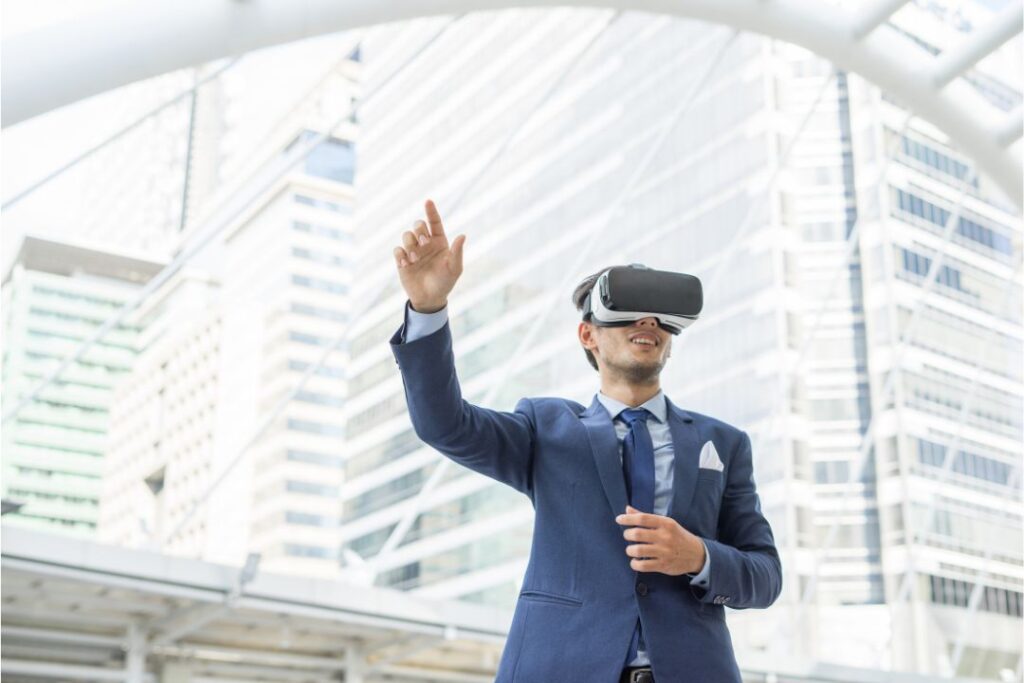
The future workplace will look vastly different from today. Rather than replacing humans, AI will augment human potential. Automation will handle repetitive tasks, while creativity, empathy, and critical thinking remain uniquely human.
Workplace Trends to Expect:
- AI Assistants: Helping professionals boost productivity and decision-making.
- Remote Work 2.0: Global collaboration powered by immersive tools and automation.
- Lifelong Learning: Continuous skill upgrades to adapt to technological shifts.
The future of work isn’t about machines taking over — it’s about humans and machines working together to create smarter, more meaningful outcomes.
Conclusion: The Future Is Already Here
The next wave of innovation is not just about technology — it’s about transformation. Each breakthrough, from AI to space tech, carries the potential to reshape humanity’s path. The challenge lies in using these innovations responsibly, ethically, and inclusively.
As we look to the horizon, one thing is clear: the pace of innovation will only accelerate. Those who adapt, learn, and lead with purpose will thrive in this new era of boundless possibility.